









Conference Report
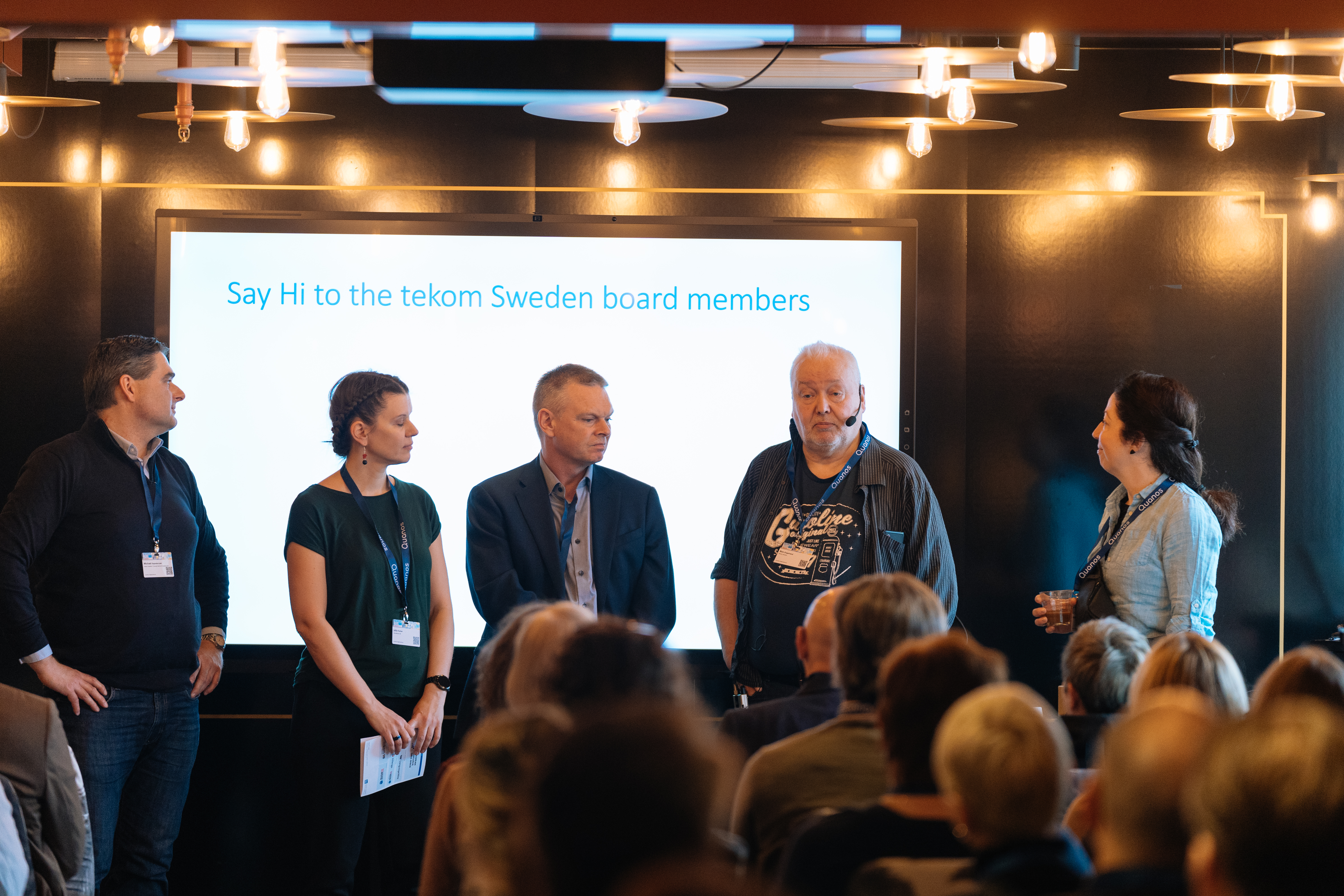
The fifth edition of NORDIC TechKomm took place in Stockholm on March 19–20, 2026, bringing together a record number of around 100 attendees—making it the largest event in the Swedish series to date. Organized by tcworld and tekom Sweden, which also welcomed new board members Ivana Marinkovic and Julia Fischer, the conference continues to establish itself as a key meeting point for technical writers, information architects, and technical documentation teams across the Nordic region and beyond.
Long Product Lifecycles, Lasting Documentation Challenges
This year’s conference topic, “Managing Documentation Across Long Product Lifecycles: From First Flight to Final Service,” resonated strongly with the audience. In industries such as aerospace, defense, energy, and healthcare—where products are designed to last for decades—documentation must evolve alongside complex systems. The conference explored how organizations can sustainably manage documentation over extended lifecycles, with a focus on Integrated Product Support (IPS), digital transformation, and emerging technologies.
Regulatory Change and Digital Transformation
A key highlight was Igor Bogunic’s keynote, “From Machinery Directive to Machinery Regulation: How Is Documentation Affected?” The session addressed the upcoming shift toward the new EU Machinery Regulation, which will officially allow digital documentation starting in January 2027. While this marks a significant step forward, it also introduces new requirements for manufacturers, particularly regarding instructions for use, hybrid machinery systems, and the integration of emerging technologies.
Architectures, Data, and Compliance
Several sessions focused on the foundations of scalable documentation:
- Alex Masycheff emphasized the importance of structured content architectures, automation, and delivering the right information at the right time for complex, long-lifecycle products.
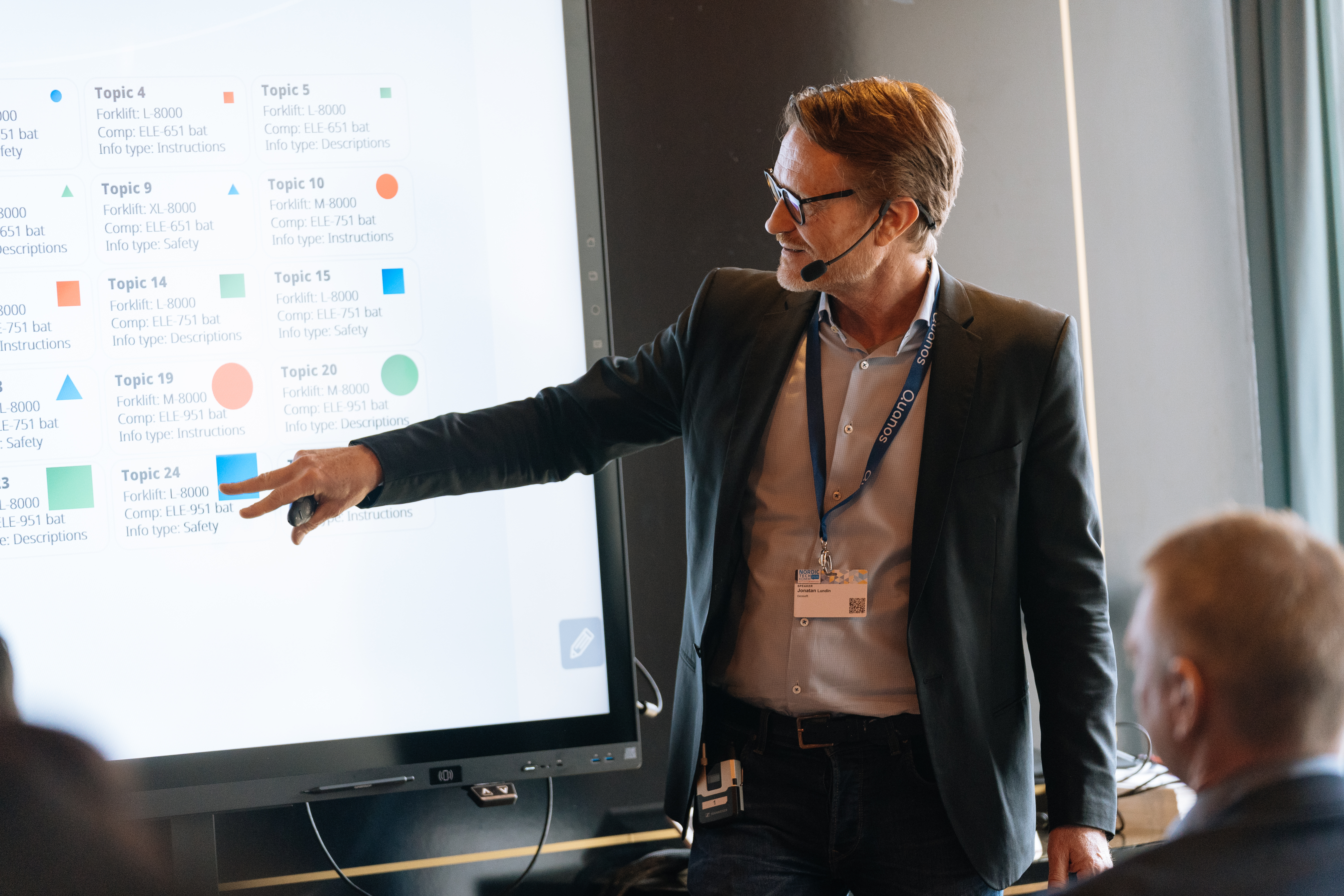
- Jonatan Lundin introduced Digital Product Passports, highlighting their growing importance for compliance, sustainability, and future product communication within the EU.
- Contributions from Frank Wegmann, Petra Angeli, Olle Andersson, and Pia Grubitz covered topics such as metadata-driven documentation, AI in regulated environments, nuclear documentation, and the S1000D standard.
Together, these sessions reinforced a clear message: future-ready documentation depends on structured data, interoperability, and governance.
People, Processes, and Adoption
The second day shifted focus toward the human and organizational aspects of transformation. A workshop led by Frida Stjernholm and Cecilia Bergman explored how to drive real adoption of new documentation practices—reminding participants that transformation is as much about people as it is about technology.
Additional sessions highlighted practical challenges in modern documentation environments:
- Lawson Stapleton discussed strategies for maintaining accessibility as audience needs evolve.
- Kathryn Reeb and Ashley Van Wely examined “release trains” and their implications for documentation workflows.
- Gabriela Fleischer addressed the EU Right to Repair Directive and its impact on technical communication.
- Daniela Zambrini and Orlando Chiarello demonstrated how Simplified Technical English can reduce risk and improve safety.
- Fabrice Lacroix explored how content delivery must evolve to ensure long-term accessibility and knowledge transfer.
Further contributions from Katrin Marheinecke, Dipo Ajose-Coker, and Karsten Schrempp expanded the discussion to include language data markets, structured authoring with DITA, and the creation of knowledge hubs to overcome information silos.
Last but not least, Louise Stengard Kristiansen highlighted the importance of risk assessment for AI in source content and localization workflows, while Terese Whitty emphasized designing global-ready CMS content that avoids localization pitfalls, supports international SEO, and ensures compliance, accessibility, and scalability.
Growing Reach and Engagement
One notable trend this year was the high number of new speakers and attendees. Conversations during the event revealed that many attendees discovered NORDIC TechKomm through LinkedIn and even ChatGPT, which demonstrates that the conference’s digital presence is effectively reaching the right audience.
The conference topic also played a key role in attracting a broader audience, as many attendees found it highly relevant to their daily work.
Building Connections
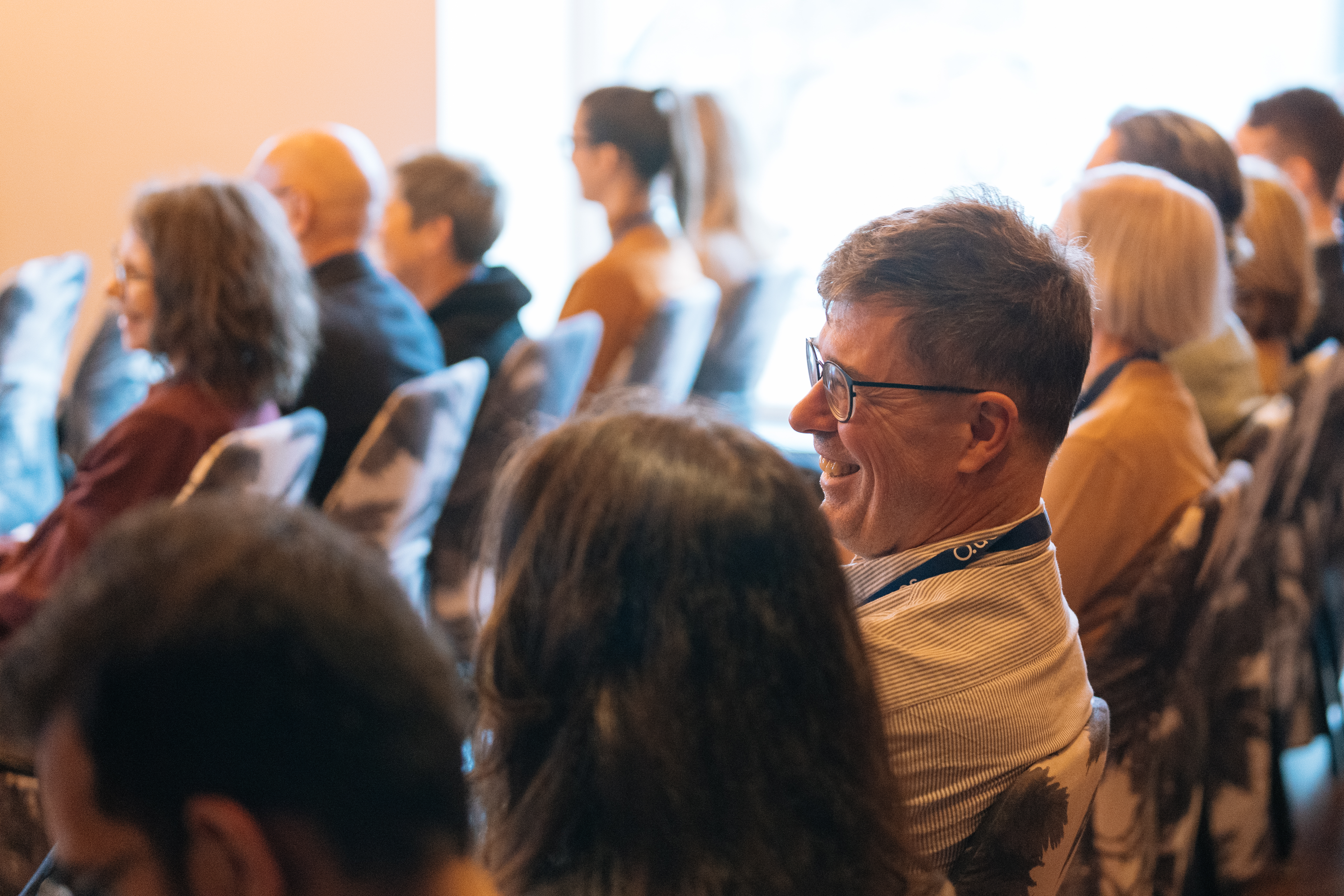
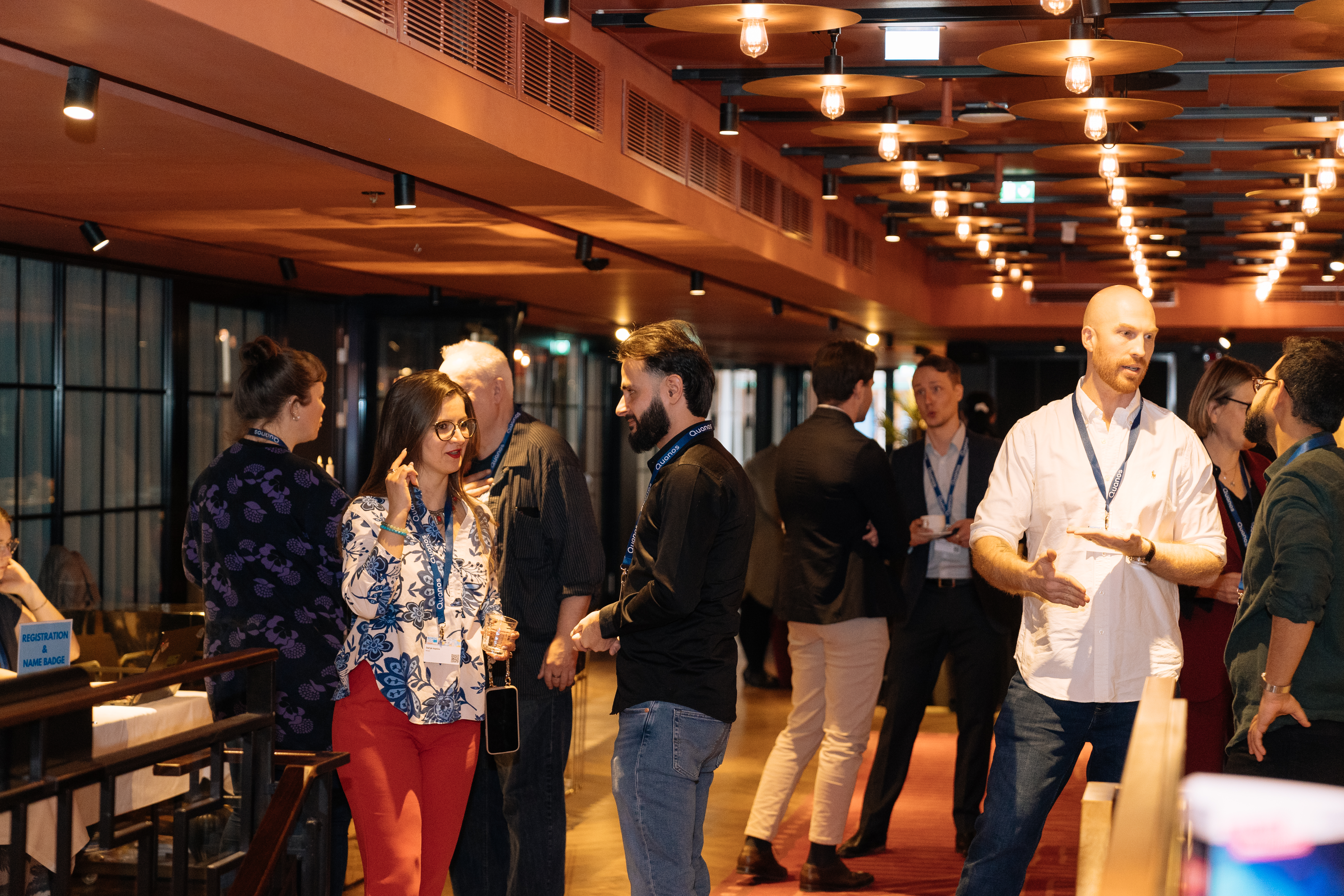
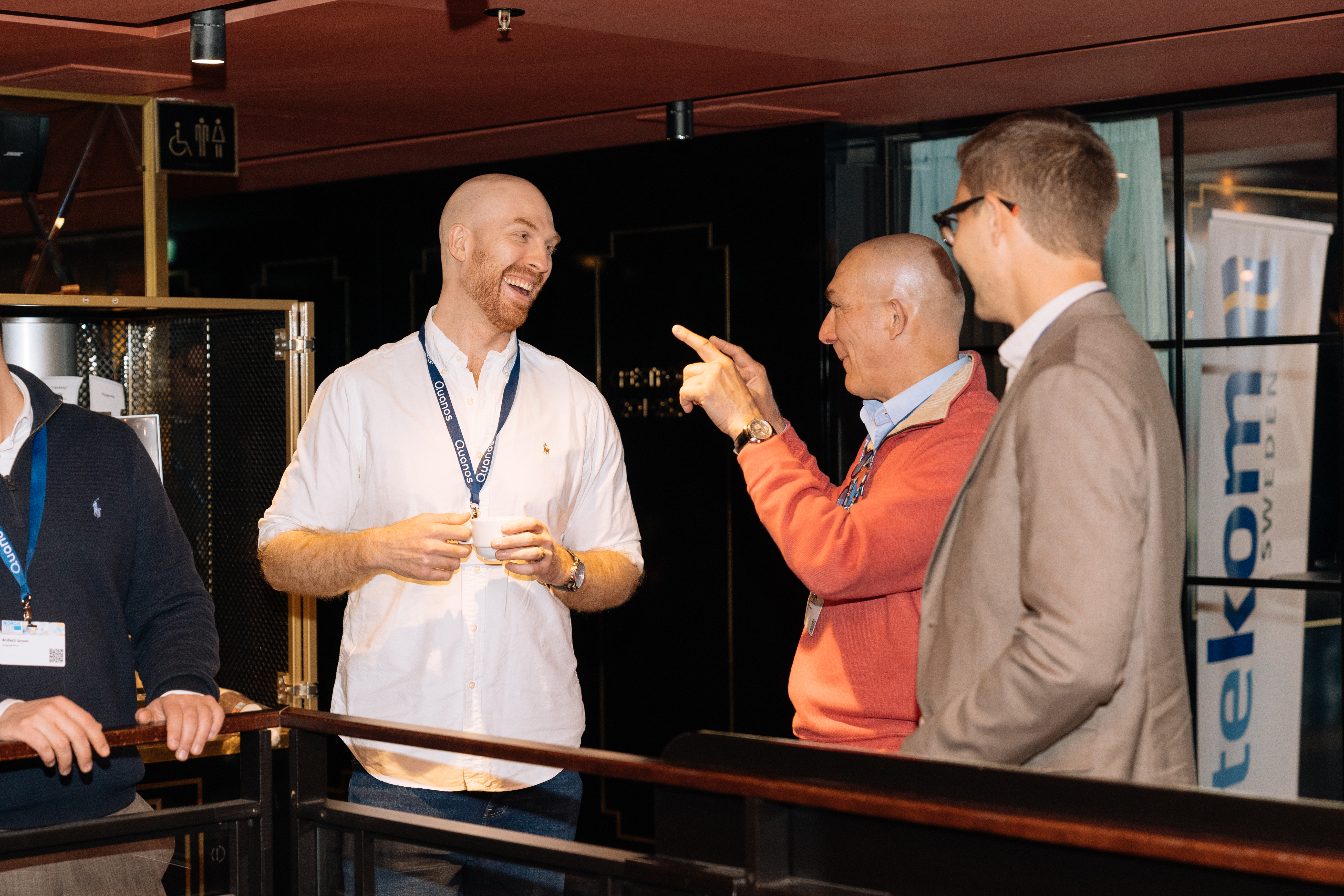
Networking remained a central element of the event. Coffee breaks were anything but routine. They became lively spaces for exchange, discussion, and spontaneous connections. It was so great to see attendees engaging and mingling throughout the event.
Of course, a big part of the great atmosphere was the irresistible Swedish food and pastries—they kept everyone smiling, chatting, and fueled for more sessions!
The After Conference Event on Day 1, previously introduced in Copenhagen in September, was once again a great success in Stockholm, further strengthening the sense of community.
Feedback
We received overwhelmingly positive feedback, both during the event and afterwards. We appreciate every post and comment we receive from the audience on LinkedIn and other social platforms.
Many attendees love the concept because, unlike other events, we offer genuine professional development. Our sessions focus on the daily work of technical communication teams, and we facilitate learning and knowledge sharing through various sessions, topics, and formats such as workshops and tutorials, as well as inclusive and dynamic networking. Hearing that attendees gain insights that they can implement directly in their daily work counts as high praise, as our goal is to support professional development.
Tack så mycket och vi ses nästa gång!
We would also like to thank all sponsors, speakers, and attendees who contributed to making this event a unique and inspiring experience.
We are already looking forward to welcoming the community again to the next edition.